Malfunctioning Grinder Leads to Lower Extremity Neuropathy
An individual with a history of back pain suffers an injury from a malfunctioning device, leading to ongoing symptoms. Causation is under investigation.
Published on
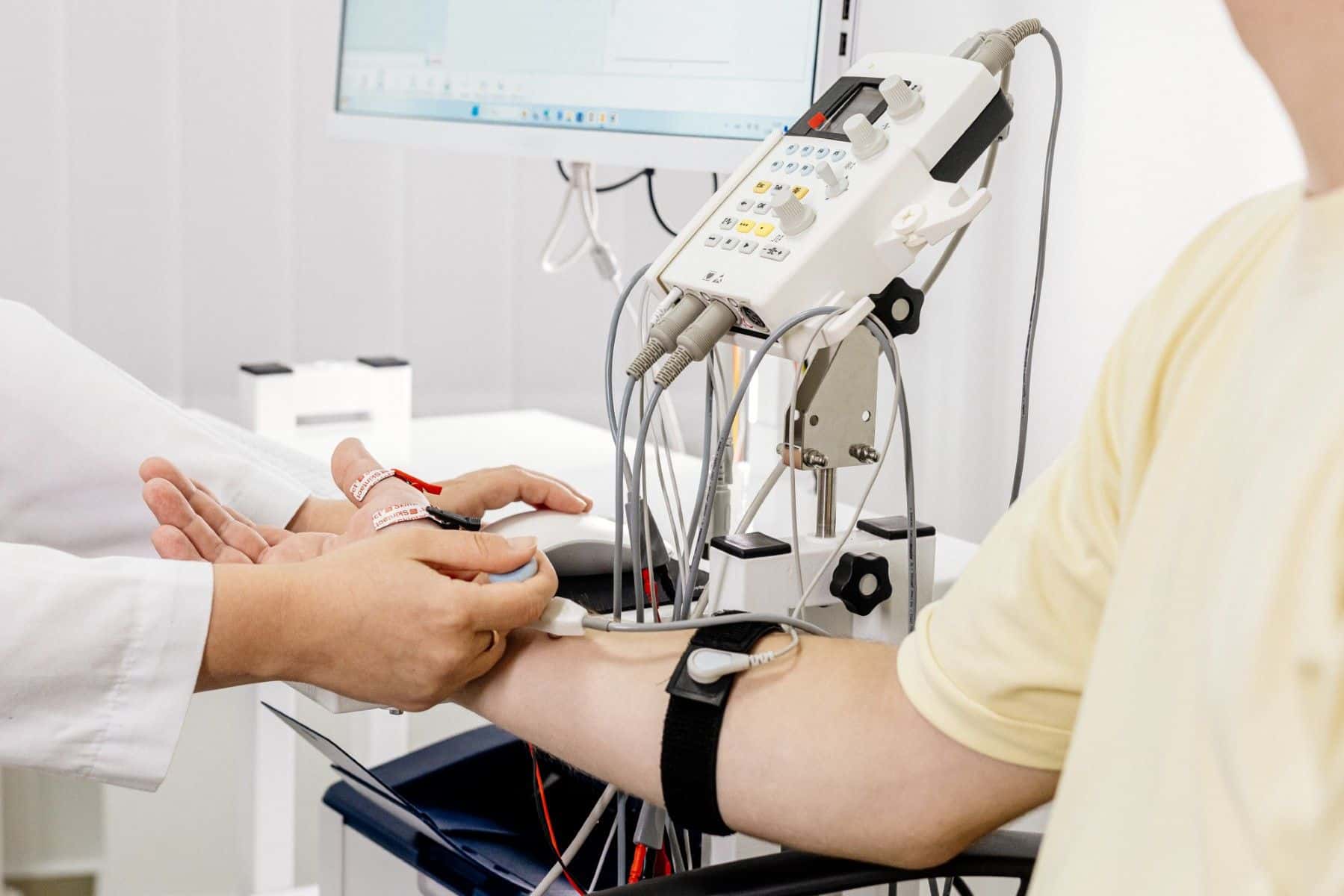
Case Overview
This case involves an adult with a history of back pain who experienced a significant injury while using a malfunctioning grinder. During the incident, wires from the device flew into their leg and foot, resulting in severe trauma. Following the incident, the individual was diagnosed with lower extremity neuropathy, confirmed through electromyography (EMG) testing. The patient continues to endure persistent symptoms, including tingling and pain in their foot and toes. The focus of this case is to establish causation and determine whether these ongoing symptoms stem from the recent injury or if they are attributable to pre-existing back pain.
Questions to the Neurology expert and their responses
What pertinent criteria should be used to determine the etiology of a patient’s lower extremity neuropathy?
Neurologic examination and EMG would be key. A neurologic examination can differentiate between multiple mononeuropathies or plexopathies, as would be expected in a leg or foot trauma, as compared to lower back pain (or radiculopathy) that would cause a different distribution of nerve and muscle involvement. EMG would be able to further distinguish; there are clear rules that trauma outside of the spine would be expected to result in abnormalities in sensory nerve action potentials, whereas an etiology related to the spinal nerve roots would not cause the same abnormalities, due to anatomy.
How often do you evaluate and manage patients who have been diagnosed with lower extremity neuropathy?
I evaluate and manage patients who have been diagnosed with lower extremity neuropathy at the rate of 15-20 patients a week and have done so for the past 4 years.
About the expert
This expert specializes in neurology and is board-certified in neurology with a subspecialty in neuromuscular medicine. He earned his BASc in biomedical engineering from the University of Toronto and his MD from the Icahn School of Medicine at Mount Sinai. He then completed his internship in preliminary medicine and residency in neurology at Yale-New Haven Hospital. He is a member of several professional organizations and is active in academia, holding leadership positions on editorial boards and publishing peer-reviewed articles. This expert was formerly the chair of the neurology quality improvement committee at Boston Medical Center. Currently, he is the chair of the neurology residency program at a medical center in Massachusetts and an assistant professor of neurology at a medical university in Massachusetts.

E-999036
Specialties:
Subscribe to our newsletter
Join our newsletter to stay up to date on legal news, insights and product updates from Expert Institute.
Sign up nowFind an expert witness near you
What State is your case in?


Subscribe to our newsletter
Join our newsletter to stay up to date on legal news, insights and product updates from Expert Institute.