Delayed Care During Labor Leads to Necrotizing Enterocolitis in Premature Infant
A complicated delivery raises concerns over care delays, resulting in serious complications for both mother and infant.
Published on
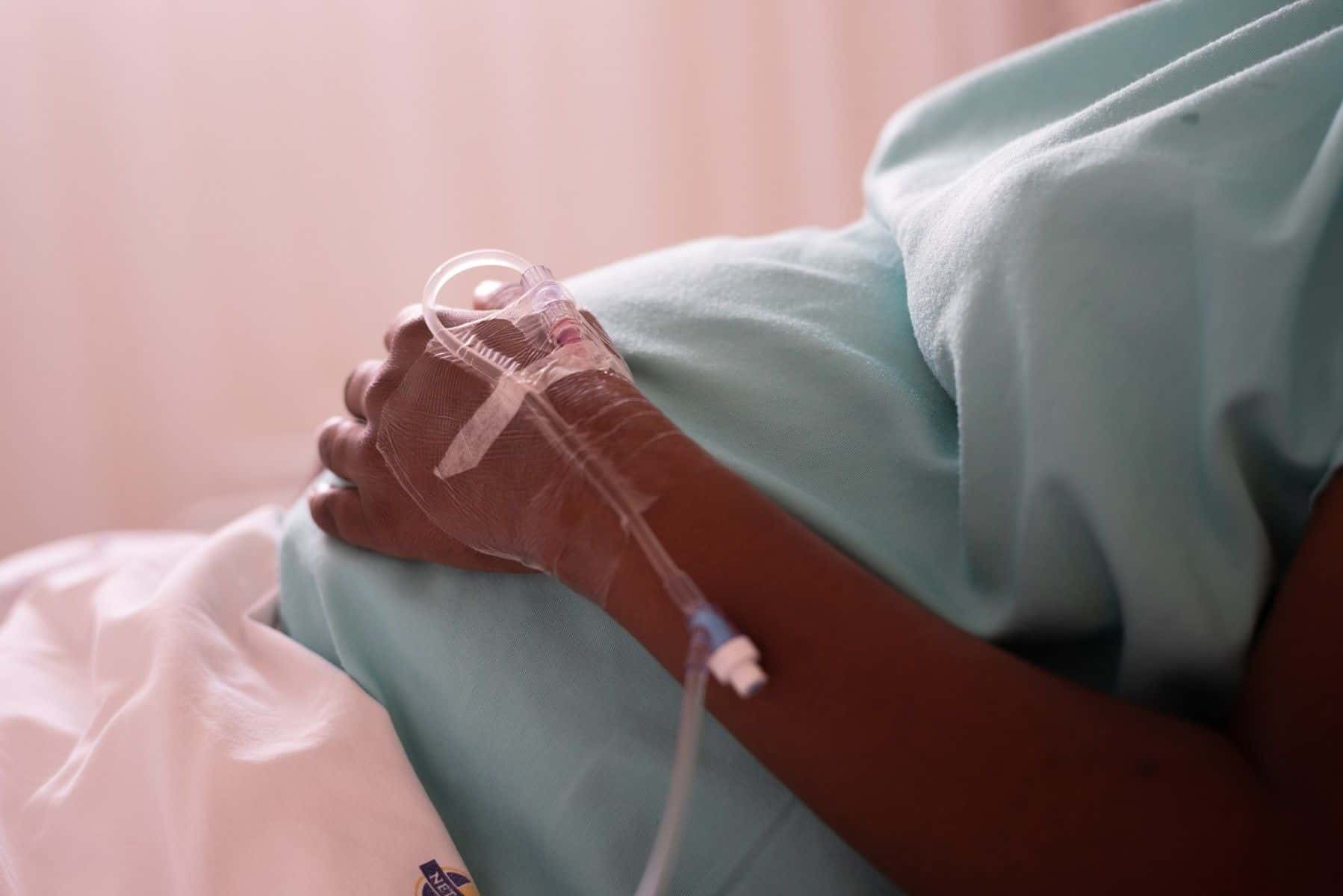
Case Overview
This case involves a 34-year-old individual whose delivery of a 28-week and 1-day female infant was complicated by preeclampsia. The infant subsequently developed necrotizing enterocolitis (NEC), a serious gastrointestinal condition. Allegations suggest there were multiple delays in the provision of medical care leading to the eventual emergency C-section. Additionally, a surgical sponge was left inside the mother during the procedure, resulting in sepsis and abscess formation. The premature infant's diagnosis of NEC raises concerns about the adequacy of care provided during labor and delivery, as well as subsequent neonatal management.
Questions to the Neonatology expert and their responses
How often do you evaluate and manage neonatal patients who have been diagnosed with necrotizing enterocolitis?
I am a full-time clinical neonatologist practicing at a level 4 regional referral center. In some form, I evaluate and manage neonatal patients diagnosed with necrotizing enterocolitis on a daily basis. I cover a level IV NICU for 40 weeks per year. Our unit commonly cares for many infants who have definitive or presumed NEC each year.
What are the most pertinent measures that physicians can perform during labor and delivery to minimize the incidence of necrotizing enterocolitis?
Many studies have shown that the absence of a human milk diet is a risk factor for the development of NEC, as well as a dose-based reduction of risk with the increasing administration of human breast milk. An exclusive human milk diet is the gold standard for neonatal nutrition. Additional considerations include slow advancement of feeds, prompt response to any abnormalities of the digestive process, avoidance of anemia, and delayed umbilical cord clamping at the time of delivery.
About the expert
This expert has over 15 years of experience in the field of pediatrics and neonatology. He earned his BA in chemistry from Indiana University Bloomington, his MD from the University of Louisville School of Medicine, and his MS in bioethics from the Medical College of Wisconsin. He then completed a residency in pediatrics at the Carolinas Medical Center, followed by a fellowship in neonatology at Cincinnati Children's Hospital Medical Center. Today, this expert is double board certified in pediatrics and neonatal-perinatal medicine. He is a member of several professional organizations, including the Kentucky Perinatal Association and the American Association of Pediatrics. He is also active in academia, having published several peer-reviewed journal articles on neonatology topics. This expert previously served as a neonatologist and the quality improvement officer at Neonatal Intensive Care Experts and as the medical director at Sproutlings Care Center. He later was a medical director at Norton Children’s Hospital and a clinical instructor at the University of Louisville School of Medicine. Currently, he serves as the lead neonatologist and as the director of clinical neonatology at two different children's hospitals in Kentucky as well as an assistant professor of pediatrics at a medical university in Kentucky.

E-366408
Specialties:
Subscribe to our newsletter
Join our newsletter to stay up to date on legal news, insights and product updates from Expert Institute.
Sign up nowFind an expert witness near you
What State is your case in?


Subscribe to our newsletter
Join our newsletter to stay up to date on legal news, insights and product updates from Expert Institute.